Being told that a brain condition may require surgery can create many questions. Patients may want to know why an operation is being considered, which tests are necessary, what happens during treatment, and how long recovery might take. Brain Surgery is not a single procedure; it includes different operations used for different neurological conditions.
A structured understanding of the process can help patients and families prepare for discussions with their neurosurgical team.
Why Brain Surgery May Be Recommended
The brain and surrounding structures can be affected by many conditions. Surgery may be considered to remove, repair, decompress, drain, biopsy, or otherwise treat a particular abnormality.
Depending on the diagnosis, neurosurgical treatment may be considered for conditions such as:
- Certain brain tumours
- Intracranial bleeding
- Some traumatic brain injuries
- Hydrocephalus
- Selected vascular abnormalities
- Certain infections or collections
- Conditions causing dangerous pressure on brain structures
The treatment plan varies significantly between these conditions. Two patients undergoing neurosurgery may therefore have completely different operations and recovery pathways.
The Diagnostic Stage
Planning starts with understanding the neurological problem.
A specialist may evaluate headaches, seizures, weakness, balance problems, vision changes, altered sensation, speech difficulties, memory changes, or other neurological symptoms depending on the patient's presentation.
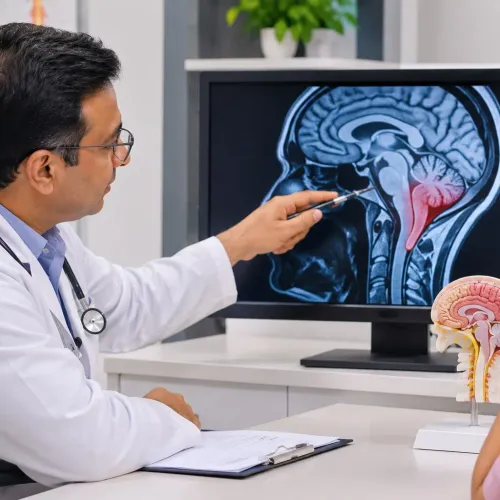
CT and MRI scans can provide detailed information about structures within the skull. Additional investigations may be required according to the suspected diagnosis.
The purpose of these investigations is not only to identify an abnormality but also to understand its size, location, relationship with important structures, and potential effect on neurological function.
Planning the Operation
Once the diagnosis is established, the surgeon considers whether surgery offers a meaningful benefit and what approach is appropriate.
Planning can involve evaluating:
- The location of the abnormality
- Nearby critical brain structures
- The patient's neurological condition
- General medical health
- Expected benefits of intervention
- Potential surgical risks
- Available non-surgical alternatives
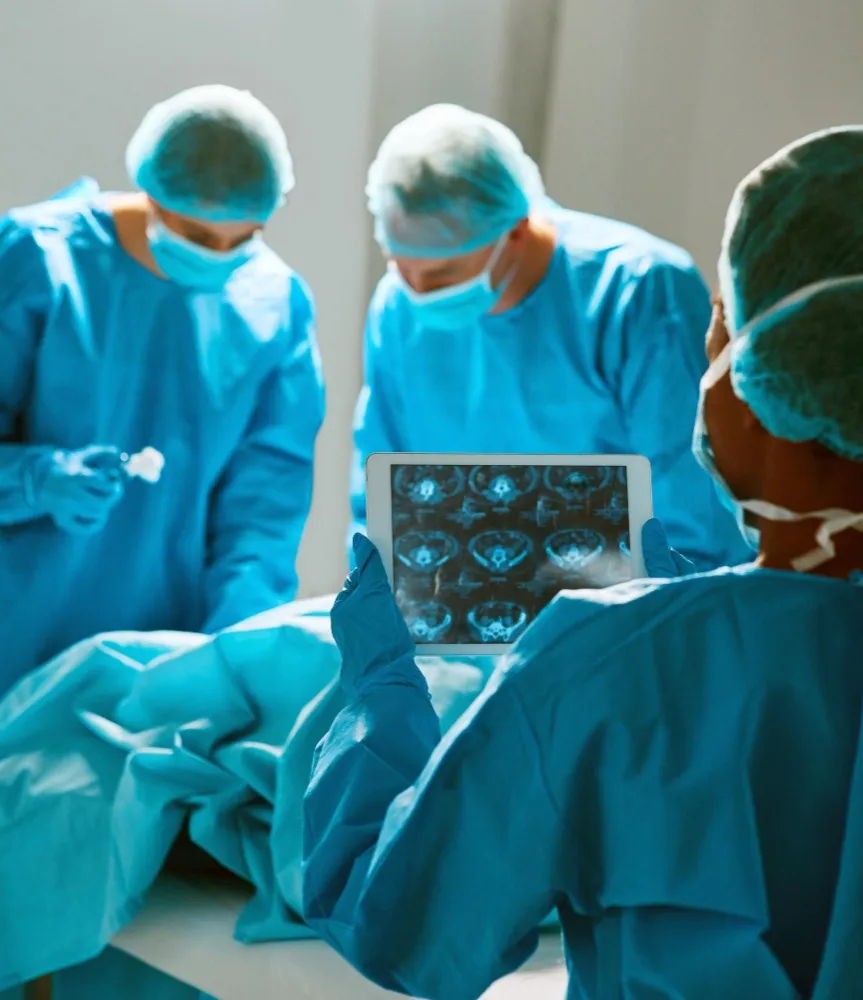
Modern neurosurgery may use advanced imaging, magnification, navigation, endoscopic techniques, or other specialized technology depending on the procedure.
What Happens After Surgery?
Recovery following brain surgery differs according to the condition and operation. Some patients may require close neurological observation immediately after surgery.
The medical team monitors factors such as consciousness, limb movement, speech, vital signs, wound condition, and other neurological functions relevant to the operation.
Rehabilitation requirements also vary. Depending on neurological effects, some patients may benefit from physiotherapy, speech therapy, occupational rehabilitation, or other supportive care.
Questions Patients Can Ask
A clear conversation with the surgeon can reduce uncertainty. Useful questions include:
- What exactly has been diagnosed?
- Why is surgery being considered?
- What is the objective of the operation?
- Are there alternatives?
- What are the important risks?
- How long might hospitalization be required?
- What restrictions may apply during recovery?
- Will rehabilitation be necessary?
The answers will be specific to the individual patient rather than to brain surgery in general.
Specialist Evaluation Matters
Patients seeking information about Brain Surgery in Thane should avoid making treatment decisions solely from symptoms or an imaging report. Neurological examination and specialist interpretation are important for determining what the findings mean clinically.
Dr Amit Aiwale provides neurosurgical assessment for patients with brain, spine, and nerve-related conditions in Thane, Maharashtra. When an operation is being considered, careful diagnosis and individualized surgical planning help patients understand both the reason for treatment and the expected recovery pathway.
Keywords