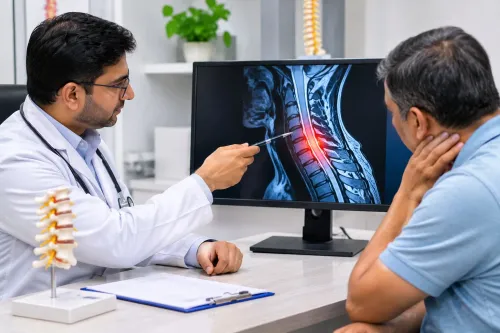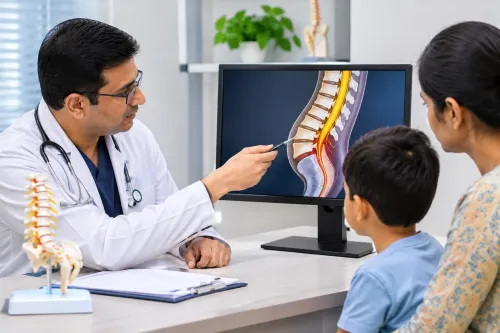
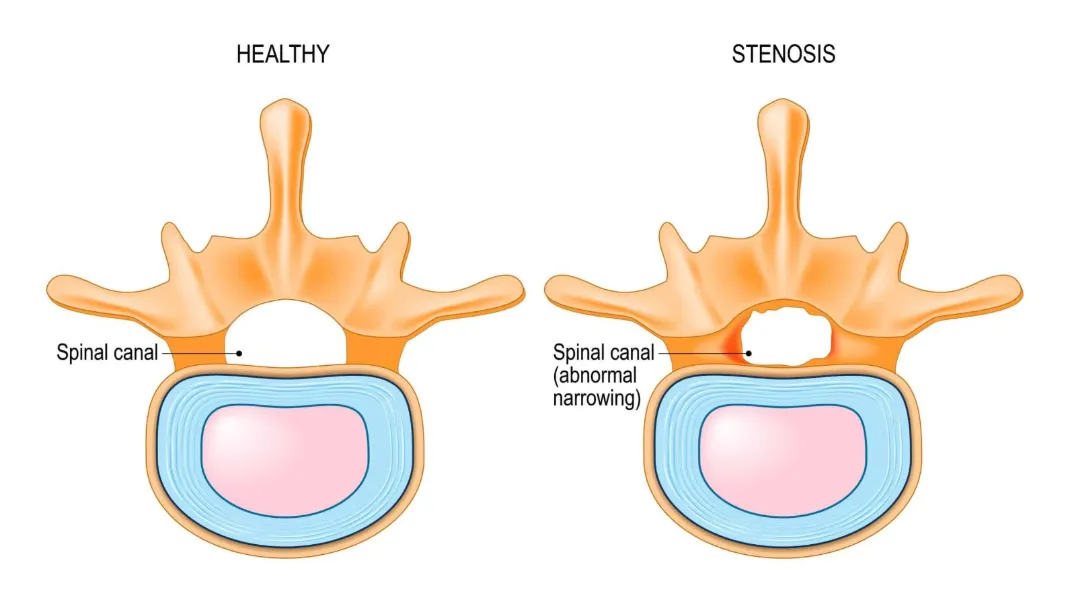
Walking is something most people take for granted until discomfort begins limiting movement. For individuals affected by Lumbar Canal Stenosis, simple activities such as standing in a queue, walking through a shopping centre, or climbing stairs may become increasingly difficult. The condition occurs when the spinal canal narrows, placing pressure on nerves in the lower back.
The symptoms often develop slowly and may be mistaken for general ageing or muscle fatigue. Early signs can include lower back discomfort, heaviness in the legs, tingling sensations, or pain that worsens during standing and walking. Many individuals notice that symptoms improve when sitting or bending slightly forward. Because the progression is gradual, people frequently adjust their activities instead of seeking medical advice.
Several factors can contribute to lumbar canal stenosis, including age-related spinal degeneration, thickening of ligaments, arthritic changes, and disc-related problems. The condition is particularly common among older adults, although younger individuals with certain spinal conditions may also experience symptoms. Understanding the underlying cause is important because management strategies vary depending on the severity and impact of the condition.
In Thane, where mobility is essential for daily routines, reduced walking capacity can significantly affect independence and quality of life. Dr Amit Aiwale evaluates patients experiencing lower back and leg symptoms to determine whether spinal canal narrowing is contributing to their difficulties. Early diagnosis can help patients explore suitable treatment approaches and maintain a more active lifestyle.
If leg pain, numbness, or difficulty walking is affecting your daily activities, consult Dr Amit Aiwale in Thane for a detailed spine evaluation and expert guidance.
Keywords