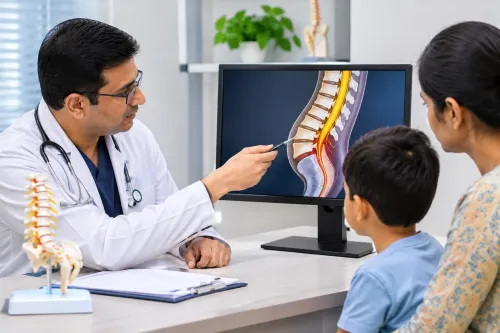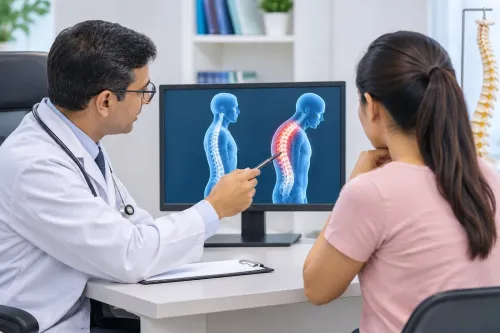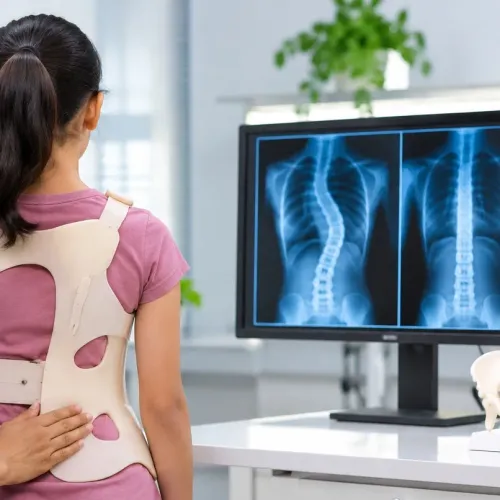

Back pain, leg pain, numbness, weakness, and restricted movement can sometimes be linked to structural problems in the spine. While many spinal conditions improve with medicines, physiotherapy, activity modification, or other conservative measures, certain patients may eventually need surgery. Minimally Invasive Surgery is one approach that may be considered when an operation is appropriate.
For patients in Thane and other parts of Maharashtra, understanding what minimally invasive spine procedures involve can make discussions about treatment easier and more informed.
What Is Minimally Invasive Spine Surgery?
Traditional open spine surgery may require a larger incision and greater exposure of the affected spinal structures. Minimally invasive techniques are designed to reach the treatment area through smaller incisions using specialized instruments, imaging, tubular retractors, or endoscopic systems depending on the procedure.
The objective is not simply to make a smaller incision. The surgical approach aims to minimize unnecessary disruption of muscles and surrounding soft tissues while allowing the surgeon to address the underlying spinal problem.
Conditions That May Be Treated
Minimally invasive techniques can be used for selected spinal disorders. Depending on the diagnosis, symptoms, imaging findings, and overall health of the patient, these may include:
- Herniated or prolapsed discs
- Nerve compression
- Certain cases of spinal stenosis
- Some degenerative spinal conditions
- Selected spinal instability problems
- Certain conditions requiring decompression
- Some cases requiring spinal fixation or fusion
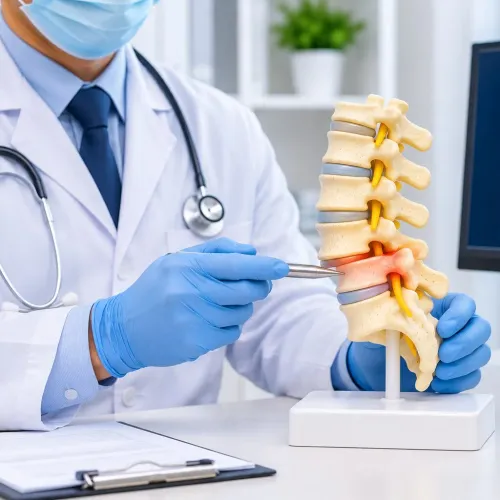
Not every condition is suitable for a minimally invasive procedure. The technique has to match the actual pathology rather than being selected simply because the incision may be smaller.
How the Procedure Is Planned
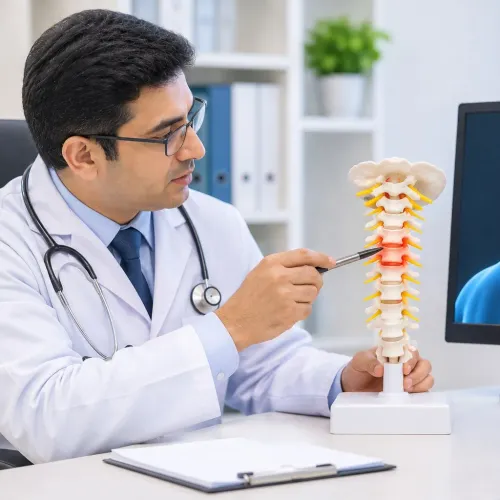
Before considering surgery, the source of symptoms needs to be identified. A patient experiencing back pain alone may require a different evaluation from someone with severe shooting leg pain, progressive weakness, or numbness.
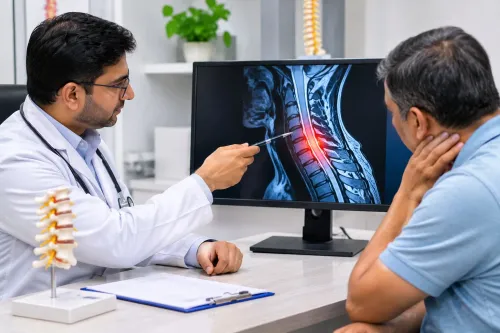
Assessment may involve a neurological examination and appropriate imaging such as MRI, CT, or X-rays. Previous treatments and the duration of symptoms are also relevant.
The surgeon then determines whether surgery is necessary and, if so, which approach provides appropriate access to the affected area.
Potential Advantages of a Less Invasive Approach
For appropriately selected patients, minimally invasive techniques may offer benefits such as reduced muscle disruption, smaller surgical wounds, and potentially easier early postoperative mobility.
However, recovery varies considerably. Age, general health, the complexity of the spinal condition, the exact operation performed, and rehabilitation requirements all influence the recovery process.
A minimally invasive operation should therefore not be interpreted as a procedure requiring no recovery.
Surgery Is Not Automatically the First Step
Many episodes of back pain and even some disc-related symptoms can improve without an operation. Treatment may initially include medication, supervised physiotherapy, posture or activity changes, and observation.
Surgical assessment becomes particularly important when symptoms remain severe despite appropriate treatment or when neurological problems are developing.
Warning symptoms such as progressive limb weakness, significant difficulty walking, or changes in bladder or bowel control require prompt medical assessment.
Understanding Your Treatment Options
Patients considering Minimally Invasive Surgery in Thane should focus on the diagnosis first. Useful questions include what structure is causing the symptoms, whether non-surgical treatment remains appropriate, what procedure is being proposed, and what recovery is realistically expected.
Dr Amit Aiwale evaluates brain, nerve, and spinal conditions with treatment planning based on clinical findings and appropriate investigations. For patients exploring minimally invasive spinal treatment in Thane, Maharashtra, a specialist evaluation can help establish whether surgery is necessary and whether a minimally invasive technique is suitable for the specific condition.
Keywords