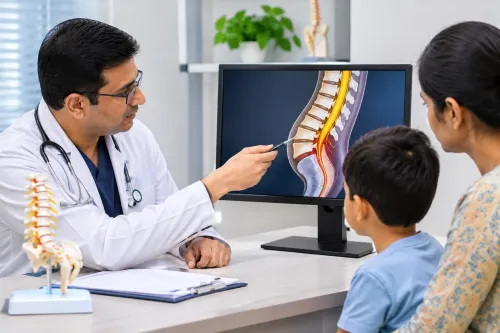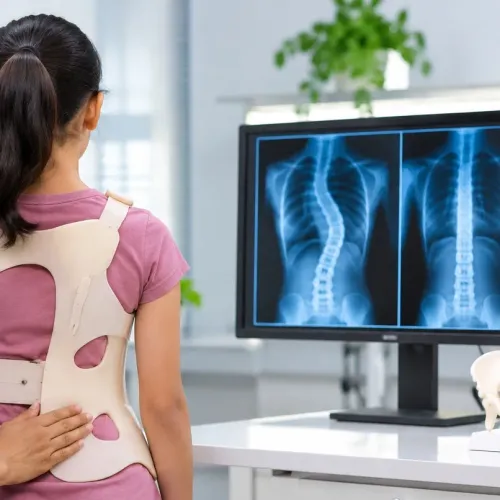
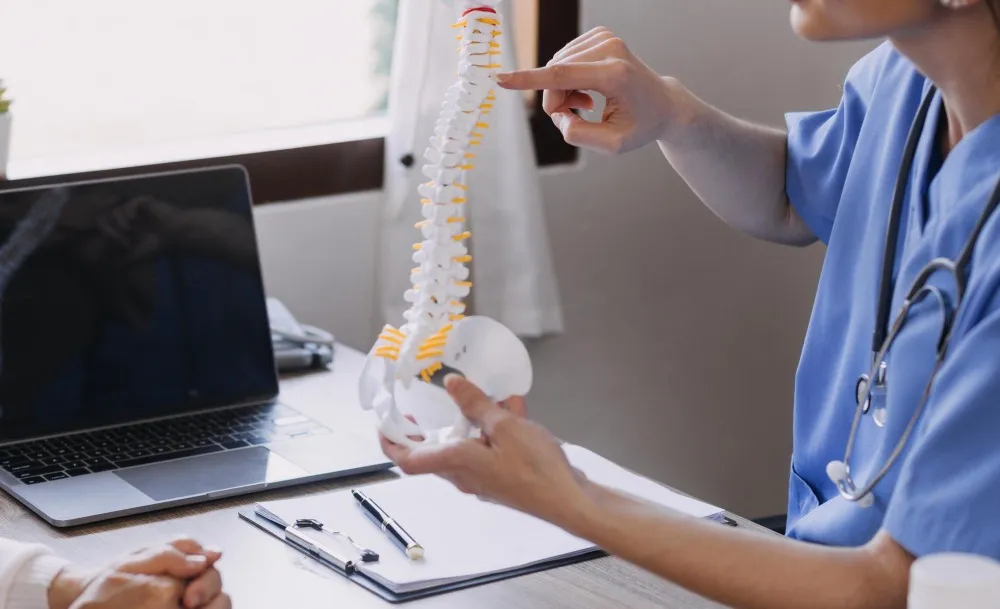
Back pain is extremely common, but Spine Surgery is required only for a proportion of people with spinal problems. Most patients should not assume that persistent back pain automatically means an operation. The decision depends on the cause of the symptoms, neurological findings, imaging, response to treatment, and the effect of the condition on everyday function.
Understanding when surgical evaluation becomes relevant can help patients in Thane make better decisions about ongoing back or neck symptoms.
Back Pain Has Many Possible Causes
Pain can originate from muscles, joints, discs, nerves, ligaments, or degenerative changes in the spine. Similar symptoms can therefore have very different causes.
Some patients experience pain mainly in the lower back. Others develop pain that travels into the buttock, thigh, calf, or foot. Nerve compression may also cause tingling, numbness, burning sensations, or weakness.
Because symptoms overlap, treatment should begin with diagnosis rather than assumptions about the need for surgery.
When Is Spine Surgery Considered?
Surgery may be discussed when a structural spinal problem has been identified and the expected benefits of correcting it outweigh the risks.
Common situations that may lead to surgical evaluation include:
- Persistent nerve compression
- Severe disc prolapse with neurological symptoms
- Spinal canal narrowing causing significant symptoms
- Certain forms of spinal instability
- Progressive weakness
- Persistent disabling symptoms despite appropriate conservative care
- Selected spinal injuries or other structural abnormalities
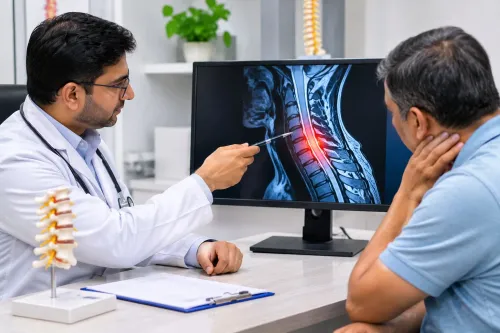
The presence of an MRI abnormality alone does not necessarily mean an operation is required. Imaging findings should correspond with the patient's symptoms and examination.
What Happens Before Surgery Is Recommended?
A spine assessment usually includes a detailed history. The specialist may ask where the pain starts, whether it travels into an arm or leg, how long symptoms have been present, and whether weakness or numbness has developed.
A neurological examination can assess muscle strength, sensation, reflexes, and other functions.
Imaging is then interpreted in relation to these findings. MRI is commonly useful for examining discs, nerves, and other soft tissues, while X-rays or CT scans may provide additional structural information where needed.
Conservative Treatment Still Has an Important Role
Many spinal disorders can initially be managed without surgery.
Depending on the condition, conservative care may involve:
- Appropriate medication
- Physiotherapy
- Activity modification
- Ergonomic changes
- Guided exercises
- Weight management where relevant
- Selected pain-management interventions
The length of conservative treatment should not be identical for every patient. A person with mild, stable symptoms may be managed differently from someone developing neurological weakness.
Symptoms That Deserve Faster Assessment
Some symptoms should not simply be managed at home for weeks while waiting for improvement.
Prompt medical evaluation is particularly important if back or neck symptoms are accompanied by progressive weakness, increasing walking difficulty, major loss of sensation, or bladder or bowel changes. Significant symptoms following spinal trauma also require appropriate assessment.
These symptoms do not prove that surgery will be required, but they can indicate neurological involvement that should be evaluated without unnecessary delay.
Making an Informed Decision
If Spine Surgery in Thane is being considered, patients should understand exactly why the procedure has been suggested. Ask which spinal structure is causing the problem, what alternatives are available, what the proposed operation is intended to achieve, and what rehabilitation may involve.
For people across Thane and Maharashtra, access to specialist assessment can help distinguish conditions that can continue with conservative care from those that warrant surgical consideration. Dr Amit Aiwale provides evaluation for spinal and neurological disorders, including conditions in which surgical treatment may become appropriate after clinical and imaging assessment.
Keywords