Occasional back or neck discomfort often improves with rest, movement correction and appropriate medical care. However, persistent pain accompanied by numbness, weakness or reduced mobility may indicate nerve or spinal cord involvement.
Dr Amit Aiwale evaluates patients who need a spine specialist in Thane by identifying whether the symptoms are mechanical, nerve-related or associated with a condition requiring urgent attention. Knowing when to seek specialist assessment can prevent unnecessary delay without treating every episode of back pain as a surgical problem.
Pain That Travels Into an Arm or Leg
Pain extending from the neck into the shoulder, arm or fingers may result from pressure on a cervical nerve. Lower back pain spreading through the buttock and leg can occur when a lumbar nerve is irritated or compressed.
Radiating pain deserves evaluation when it is severe, repeatedly returns or continues despite appropriate initial treatment. Numbness, tingling or muscle weakness makes the need for assessment more important.
Progressive Weakness
Weakness differs from avoiding movement because of pain. A person may struggle to lift the front of the foot, grip objects, climb stairs or raise an arm even when making a full effort.
Progressive weakness may indicate continuing pressure on a nerve or the spinal cord. Earlier evaluation can be important because long-standing neurological loss may not recover completely even after the pressure is relieved.
Difficulty Walking or Maintaining Balance
Spinal cord compression in the neck or upper back can affect walking, coordination and leg control. Patients may feel unsteady, notice stiffness or require support on stairs.
Clumsiness in the hands, difficulty fastening buttons or frequent dropping of objects can occur alongside balance changes. These symptoms should not be dismissed as normal ageing without assessment.
Pain Following an Injury
Back or neck pain after a fall, road accident or workplace injury may require imaging, particularly when accompanied by weakness, numbness or severe movement restriction.
Older adults and people with osteoporosis may develop spinal fractures after relatively minor incidents. Prompt diagnosis helps determine whether the spine is stable and whether bracing, observation or surgery is appropriate.
Symptoms Requiring Emergency Attention
Seek urgent hospital assessment for:
- Sudden bladder or bowel control loss
- Numbness around the groin or inner thighs
- Rapidly worsening leg weakness
- Inability to stand or walk
- Severe pain with fever or serious illness
- Neurological symptoms following major trauma
These signs can indicate serious compression, infection or injury and should not wait for a scheduled clinic visit.
What Will the Specialist Evaluate?
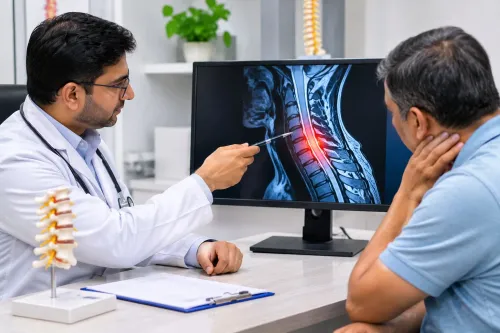
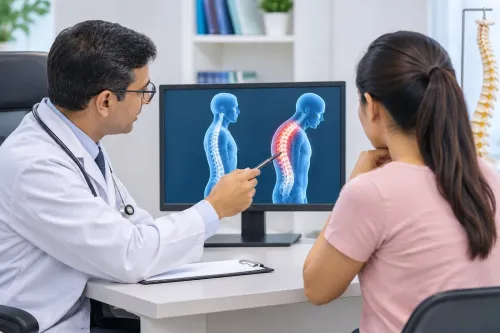
The consultation generally includes a symptom history and neurological examination. The specialist may assess muscle power, reflexes, sensation, walking and spinal movement.
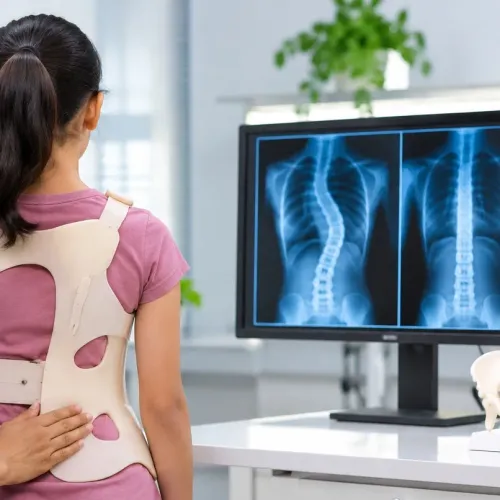
MRI, CT or X-ray investigations may be recommended depending on the suspected condition. Existing scans are reviewed alongside examination findings because an imaging abnormality is not always the true source of pain.
Does Consulting a Spine Specialist Mean Surgery?
A specialist consultation does not automatically lead to an operation. Many conditions improve with medication, guided physiotherapy, posture changes, activity modification or injections.
Surgery is generally considered when conservative care has not provided sufficient relief, neurological function is deteriorating or a structural condition threatens stability or spinal cord function.
Patients in Thane and nearby areas of Maharashtra should seek evaluation based on the nature and progression of their symptoms rather than pain intensity alone. Early assessment is particularly valuable when weakness, balance problems or bladder and bowel changes are present.
Keywords